


Grease Trap Certification: Why It Matters for Your Business
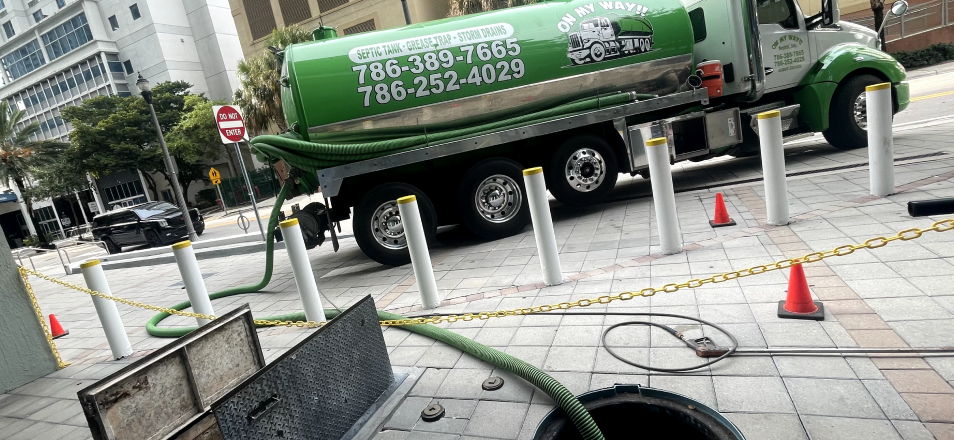
For restaurants and other food service businesses, a grease trap does more than collect fats, oils, and grease (FOG). It is part of the property's wastewater system and requires proper maintenance to remain compliant with local requirements. Grease trap certification provides documentation that the system has been serviced and maintained according to applicable regulations.
Keeping this documentation current can make inspections easier and help businesses avoid unnecessary compliance problems.
What Is Grease Trap Certification?
Grease trap certification confirms that required maintenance has been completed on a commercial grease trap. The process generally involves pumping out accumulated grease and waste, cleaning the unit, and documenting the service.
The exact requirements can vary depending on the property's location and the type of grease trap being serviced. Businesses should follow the requirements established by their local authority rather than relying on a general maintenance schedule. Proper records can also provide useful information about how frequently the trap is filling and when the next service may be necessary.
Inspections and Documentation Matter
A clean grease trap is only part of responsible maintenance. Businesses may also need records showing when the trap was serviced and what work was performed. Documentation can include service reports, invoices, pump-out information, and other records required by the local authority. Keeping these documents organized makes it easier to demonstrate compliance during an inspection.
For businesses with frequent kitchen activity, maintaining accurate records is especially important because grease accumulation can happen faster than expected.
What Happens When Certification Is Overlooked?
Missing required maintenance can create several problems for a business. Excess grease may move beyond the trap and enter the wastewater line, increasing the possibility of blockages and drainage issues.
There can also be regulatory consequences when required service or documentation is not maintained. Depending on local requirements, businesses may face notices, fines, or additional inspections.
A missed maintenance appointment can therefore become more than a plumbing concern. It can interfere with normal operations and create expenses that could have been avoided with proper scheduling.
How Often Is Grease Trap Service Needed?
There is no single schedule that applies to every business. Service frequency depends on factors such as the size of the grease trap, kitchen activity, and local regulations.
In many cases, commercial grease traps require regular pumping and cleaning, with some local requirements setting a maximum period between services. Checking the applicable regulations and maintaining a consistent service schedule is the best way to avoid missed requirements. Businesses should also schedule service sooner if grease levels are building up quickly or drainage problems begin appearing.
Keep Your Grease Trap Ready for Inspection
Grease trap certification is not simply paperwork. It connects proper maintenance with regulatory compliance and helps businesses keep track of an essential part of their wastewater system. On My Way Septic provides professional grease trap pumping, pressure cleaning, jetting, and required reporting to help commercial properties stay on top of their maintenance needs.
Contact On My Way Septic today to schedule your grease trap service and keep your documentation up to date.

